
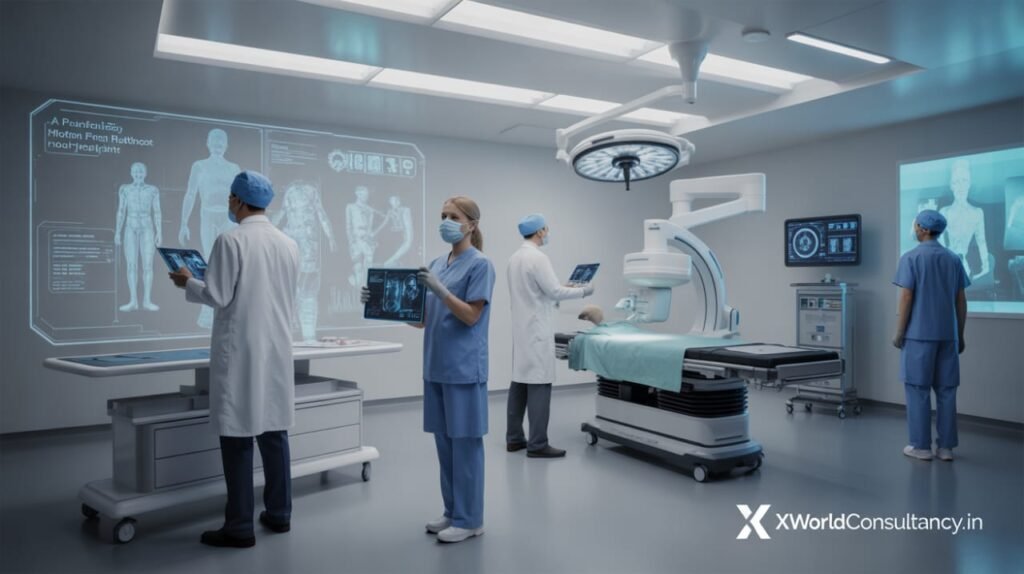
Introduction to AI Medical Science
Artificial Intelligence (AI) is no longer just a futuristic concept; it is now a practical reality shaping industries across the globe. Among all the sectors influenced by AI, medical science is witnessing one of the most profound transformations. From diagnosing diseases with higher accuracy to personalizing treatments for patients, AI has begun to revolutionize the way healthcare is delivered. Consequently, medical professionals, researchers, and patients are experiencing a new era of technology-driven care.
In this blog, we will explore how AI is reshaping medical science, the key benefits it offers, the challenges it faces, and what the future of AI in healthcare might look like.
The Evolution of AI in Medical Science
The application of AI in healthcare is not entirely new. In fact, early forms of AI appeared in the 1970s when computer-assisted programs helped doctors with clinical decisions. However, at that time, technology was limited, and AI’s scope remained narrow. As computing power increased and data storage became more affordable, AI began to grow exponentially.
Now, advanced algorithms, deep learning models, and neural networks can analyze vast amounts of medical data within seconds. Therefore, AI has transitioned from being a supportive tool to a core element of modern healthcare. Moreover, its ability to learn, adapt, and improve over time makes it a game-changer for medical science.
How AI Is Revolutionizing Diagnosis
One of the most critical applications of AI in medical science lies in disease diagnosis. Traditionally, diagnosis required years of medical expertise and often carried the risk of human error. However, AI systems can now assist doctors by analyzing medical images, test results, and patient records.
For instance, AI-based radiology tools can detect tumors in CT scans and X-rays with remarkable accuracy. Similarly, algorithms in dermatology can identify skin cancer by analyzing photographs of moles or lesions. As a result, patients receive faster and more reliable diagnoses.
Additionally, AI has shown potential in detecting chronic illnesses at earlier stages. With predictive analytics, AI systems can identify risk factors for diseases like diabetes, heart failure, or Alzheimer’s long before symptoms appear. Consequently, early intervention becomes possible, reducing long-term complications.
AI Medical Science in Drug Discovery and Development
Drug discovery is one of the most expensive and time-consuming processes in medical science. Typically, it takes over 10 years and billions of dollars to develop a single drug. However, AI has drastically shortened this timeline.
Using machine learning, researchers can analyze biological data and predict which chemical compounds will be most effective. As a result, pharmaceutical companies can move from hypothesis to testing much faster. For example, during the COVID-19 pandemic, AI played a crucial role in identifying potential treatments and vaccines in record time.
Furthermore, AI models can simulate how a drug will interact with the human body. This allows scientists to identify harmful side effects before clinical trials begin. Therefore, the integration of AI in drug discovery not only saves time but also reduces costs and increases patient safety.
Personalized Medicine and AI
Every patient is unique, and so are their medical needs. Traditionally, doctors prescribed treatments based on general guidelines. However, with AI, personalized medicine has become more achievable.
By analyzing genetic information, lifestyle patterns, and past medical history, AI can recommend treatments tailored specifically to individual patients. For example, in cancer care, AI systems can suggest the most effective chemotherapy drugs based on a patient’s genetic makeup. Similarly, in mental health, AI-driven platforms can recommend personalized therapy plans by analyzing behavior and speech patterns.
This individualized approach leads to better outcomes and minimizes unnecessary treatments. Moreover, patients feel more confident knowing their care is designed around their personal health profile.
AI-Powered Surgical Procedures
AI is also making its mark in surgical procedures. With the help of robotic-assisted systems, surgeries have become more precise and less invasive. For example, AI-powered robots can assist surgeons in performing complex operations by providing real-time data and suggesting optimal techniques.
Additionally, AI improves surgical outcomes by reducing the risk of human error. Robots guided by AI can make incisions with unmatched accuracy, which results in shorter recovery times and fewer complications. Furthermore, AI helps surgeons practice using simulations before performing actual procedures, thereby improving their skills and confidence.
As technology advances, we can expect AI-powered surgeries to become even more common, especially in high-risk operations such as neurosurgery and cardiac surgery.
AI in Medical Imaging and Radiology
Medical imaging is one of the areas where AI has demonstrated the most success. Radiologists often face overwhelming workloads, reviewing thousands of scans daily. Consequently, fatigue and errors can occur. However, AI tools can analyze these images quickly and highlight areas that require closer attention.
For example, AI can spot tiny fractures, early signs of pneumonia, or subtle changes in brain scans that humans might miss. Moreover, AI systems can prioritize urgent cases, ensuring that patients with critical conditions receive immediate attention.
In addition, AI enhances collaboration among medical professionals by creating 3D visualizations of organs and tissues. This allows doctors to better plan treatments and communicate clearly with patients.
Virtual Health Assistants and AI Chatbots
AI is not limited to hospitals and laboratories; it is also improving patient engagement. Virtual health assistants and AI chatbots provide 24/7 support, answer medical queries, and even remind patients to take medications.
For instance, elderly patients often struggle to follow complex prescriptions. AI assistants can send reminders and track adherence, ensuring they do not miss critical doses. Furthermore, chatbots can triage patients by asking questions about symptoms and directing them to the right healthcare provider.
As a result, AI reduces the burden on medical staff while empowering patients to manage their health proactively.
Predictive Analytics in Healthcare
Another powerful application of AI in medical science is predictive analytics. By analyzing data from electronic health records, wearable devices, and even social media, AI can predict potential health risks.
For example, predictive models can forecast flu outbreaks in a community, enabling authorities to prepare resources in advance. Similarly, hospitals use AI systems to predict patient admission rates, ensuring they allocate staff and equipment effectively.
Moreover, predictive analytics helps doctors identify patients at high risk of chronic diseases and intervene early. This not only improves patient outcomes but also reduces healthcare costs significantly.
Challenges of AI in Medical Science
While AI holds immense promise, it is not without challenges. Firstly, the quality of AI depends on the quality of data. Incomplete or biased data can lead to inaccurate predictions. Secondly, ethical concerns arise when AI makes decisions that impact human lives. Questions about accountability and transparency remain unresolved.
Additionally, many healthcare professionals are still skeptical about relying too heavily on AI. They worry about losing the human touch in medicine, which is vital for patient trust and empathy. Furthermore, the high cost of implementing AI systems makes them inaccessible for smaller hospitals and clinics.
Finally, data privacy is another major concern. Since AI systems rely on sensitive patient information, ensuring that data is protected against breaches is crucial.
The Future of AI in Medical Science
Despite the challenges, the future of AI in medical science looks incredibly promising. As technology continues to evolve, we can expect AI systems to become more accurate, affordable, and accessible. Furthermore, the collaboration between AI and human doctors will lead to a more efficient healthcare system.
In the coming years, AI could enable remote surgeries, real-time health monitoring, and even faster drug discovery. Moreover, AI will empower patients by giving them greater control over their health data and treatment options.
Ultimately, AI is not here to replace doctors but to enhance their capabilities. By combining human expertise with machine intelligence, the future of medicine will be more precise, personalized, and effective.
Conclusion
Artificial Intelligence is undeniably reshaping medical science in ways that were unimaginable a few decades ago. From early diagnosis and drug discovery to personalized treatments and robotic surgeries, AI is transforming every aspect of healthcare.
Although challenges such as ethical concerns, data privacy, and high costs remain, the potential benefits outweigh the obstacles. With responsible use and continuous innovation, AI will lead us toward a healthier and more advanced future.
Therefore, it is safe to say that AI is not just a technological advancement but a revolutionary force driving the next era of medical science.
Buy Now : https://xworldconsultancy.in/courses/ai-tools-mastery-21-tools-to-earn/
Subscribe Now : https://youtube.com/@xworldconsultancy
Follow Us On Instagram : https://www.instagram.com/xworldconsultancy
Follow Us On X : https://x.com/xwconsultancy

Founder of X World Consultancy | Helping India grow with AI, Digital Skills & Career Transformation. 🚀
📍 Based in Haryana | 🇮🇳 Made for Bharat
🌐 Visit: https://xworldconsultancy.in
📩 support@xworldconsultancy.com
Nice article
Artificial Intelligence is undeniably reshaping medical science in ways that were unimaginable a few decades ago.
Super
Nice information
Supar 👍👍
Good information in medical science
IThis AI site is very Good
👍
Medical science
AI is not just a technological advancements but a revolutionary force driving the next era of medical science
Wow
Very nice
👌 super
Supar 👍👍
This AI site is very Good
Supar 👍👍
Al ke aane se hameri life Mai kitne changes aya 🙃🙃
Issai hum apne sare doubts vrgh clear kr sakthe h
is reshaping medical science, the key benefits it offers, the challenges it faces, and what the future of AI in healthcare might look like.
Useful
Supar 👍👍
Super
Good information in medical
Shi h
Medical science
I am sure there is future in medical science with AI. There somany things to come and grow better in medical science.
Best
Artificial Intelligence is undeniably reshaping medical science in ways that were unimaginable a few decades ago. From early diagnosis and drug discovery to personalized treatments and robotic surgeries, AI is transforming every aspect of healthcare.
Good
Medical Science The Transformative Role of AI
Role of Al increasing day by day
Useful information sir
Medical Science The Transformative Role
AI system is helpful
Nice article 😊
Good blog
Healthcare
👍👍👍
Tranmative role
Good
Artificial intelligence is the under ly receiving Medical Science and ways that was unavailable of you decades go mere mere
Wonderful information
Nice
AI in medical science to help incareg the service
Supar 👍👍
Super 👍
This was really useful, keep posting more.
Nice good
AI athar chhetr me hone ke santh medical kr chhetr me bohat badha yogdan h is side me AI ki bohat jarurt h and ange is se science ke chhetr me untti ki jarurat hai
An excellent and insightful article! It beautifully explains how AI is transforming medical science—from faster diagnosis and drug discovery to personalized treatments and robotic surgeries. The balance between opportunities and challenges is presented very clearly. Truly a glimpse into the future of healthcare!”
I’ve never thought about it that way before. Thanks for sharing your viewpoint.
Very useful information
Superb
Nice article
Good information
Superb
Nice information
Your content is always so engaging. It’s a pleasure to read.
Ai very helpful in medical students nd doctor
Good Information
Good information
One of the most critical applications of AI in medical science lies in disease diagnosis. Traditionally, diagnosis required years of medical expertise and often carried the risk of human error. However, AI systems can now assist doctors by analyzing medical images, test results, and patient records.
For instance, AI-based radiology tools can detect tumors in CT scans and X-rays with remarkable accuracy. Similarly, algorithms in dermatology can identify skin cancer by analyzing photographs of moles or lesions. As a result, patients receive faster and more reliable diagnoses.
This is very good thing
Good agenda
Ai very helpful in medical students nd doctor
Nice information
Good information
Good 👍😊
Good
Good artrical
This is good thing
Good agenda
Super
Super
Nice
Nice info
Ai saves life 💯
“AI is accelerating medical research, opening doors to discoveries that were previously unimaginable.
Ai is very beneficial in medical sector too…🔥
Amazing
Ai is also help us in medical science and us to cure from this type of trratment
Nice blog and this best that AI is not here to replace doctors but to enhance their capabilities .Ai makes works easy and best
I am so happy 😊😊😊
AI hlp medical sciences all grow up to the business
A I has begin to revolution the healthcare to delivered
It is safe to say that AI is not just a technological advancement but a revolutionary force driving the next era of medical science.
I am sure there is future in medical science with AI. There somany things to come and grow better in medical science.
Amazing 👏
AI is reshaping medical science, the key benefits it offers
Nice information
Best hai
Ai saves life ❤️
Amazing
Super
Best ai
Great
Fabulous
Media transformation is best
And nice information
Medical science osm knowledge
Great work very informative
Great 👍🏻
This knowledge is very good 😊
Good information
Very nice
Nice
Be encouraging
Ai is not wrong, ai is just that people are doing it in the wrong way, otherwise it is very powerful and very good.
Be encouraged
Nice
👍👍👍
Nice work
Nice work 👍👍👍
Nice article
Nice
Good
Nice information
Good
Nice
Best thing ever
Very nice
Good
Nice 👍 article
Nice article and great blog
Useful information
Ai osm hai
Amazing 🤩
Good article
So beautiful and beautiful pictures of the day
AI system is helpful
So happy 😁
Nice 👍
Gd info
Nice
Good information
AI has begun to revolutionize the way healthcare is delivered.
Nice information
Great job and nice blog
Informative article 💯
Nice story
Good
Super
Super interesting
Nice article
Im a medical student and ai is very imp in my field
Too much information 😊
Too much information 😊😊
Very popular
Ai make. Medical sciences .more advanced 🔥
Super 👍👍